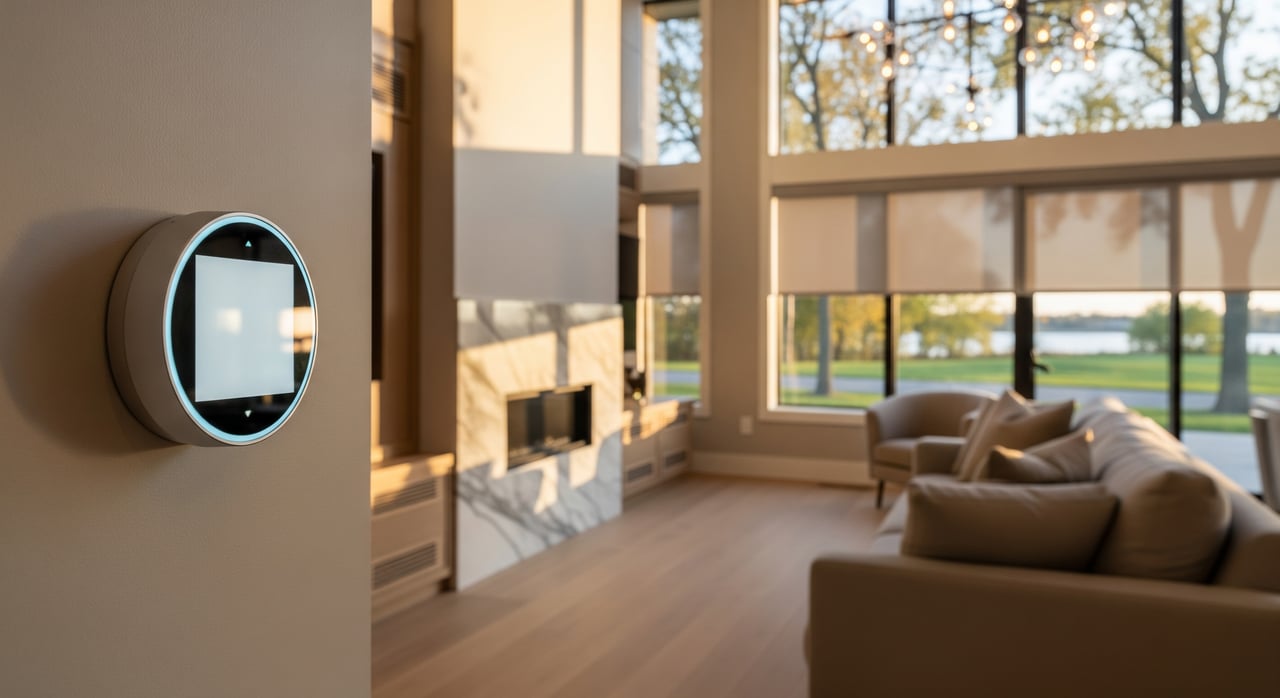
Are your lights, laundry, and dinner-time routines lining up with the most expensive hours on your electric bill? If you live in Southgate, small changes to when you use power can make a real difference without sacrificing comfort. Time-of-use pricing and a smart thermostat help you shift usage away from peak hours and toward lower-cost times. In this guide, you’ll learn how TOU works, what it means for Southgate homes, and simple thermostat and scheduling tips to cut costs. Let’s dive in.
What TOU means
Time-of-use pricing charges different rates at different times of day. Prices are higher during peak hours when the grid is busiest and lower during off-peak hours when demand drops. Utilities may also set seasonal schedules and, in some cases, short critical-peak events.
You typically opt in to a TOU plan and need an advanced or smart meter so your utility can bill your hourly usage at the right price. Your bill is then calculated by how much electricity you use in each period.
The goal is simple. Move flexible activities to off-peak times and you can pay less overall. If you use more during peak times, your costs can increase, so your routine matters.
Why Southgate homes benefit
Southgate’s climate brings cold winters and modest summer cooling. Heating drives most winter energy use. That means your biggest savings strategy depends on your heating type:
- If you heat with natural gas: Focus on shifting electric appliances like EV charging, dryers, dishwashers, and water heating.
- If you heat with a heat pump or electric resistance: Smart thermostat schedules that pre-heat or pre-cool before peak hours can deliver more value.
Daily routines matter too. Many homes hit their personal peak between late afternoon and evening when people cook, do laundry, and run dishwashers. If you can delay some of that to later in the evening or overnight, TOU can work in your favor.
Most DTE residential customers in the area already have advanced meters, so enrollment is usually straightforward. Always confirm your meter status and the current TOU hours and rules before you switch.
Smart thermostat wins
Smart thermostats help you automate comfort and savings. Key features include:
- Scheduling with multiple daily setpoints for weekdays and weekends.
- Remote control through your phone or web.
- Geofencing that adjusts settings when you leave or return.
- Learning and adaptive control that pre-conditions your home for comfort.
- In some cases, utility signal integration that can nudge setpoints during peak hours with an opt-out.
When used properly, research from respected sources reports typical heating and cooling energy reductions of about 8 to 15 percent. Your results depend on your home, climate, and habits, but the tools make it easier to capture savings without constant manual adjustments.
Set it and save
Smart schedules pair naturally with TOU. The idea is to be comfortable while avoiding on-peak HVAC run time as much as possible.
Winter settings (heating)
- Set back 4 to 6 degrees during on-peak hours if comfort allows.
- Pre-heat 30 to 60 minutes before peak begins or before you return home.
- Keep a comfortable daytime setpoint around 68 degrees when occupied and lower it when you are away or sleeping.
- If you use a heat pump, test modest setbacks in freezing weather. Very large setbacks can force long recovery run times later.
Summer settings (cooling)
- Raise the setpoint by 3 to 4 degrees during on-peak.
- Pre-cool overnight or in the early morning when power is cheaper.
- Use ceiling fans to increase comfort so you can hold a higher cooling setpoint.
Small changes add up. Pre-conditioning the house before peak hours cuts the need for your system to run when rates are highest.
Shift these loads first
Prioritize the biggest movers and the easiest wins:
- EV charging: Schedule overnight charging. This is often the largest single savings opportunity.
- Water heating: Use a timer or smart control so recovery happens off-peak.
- Laundry and dishwashers: Set delay starts so cycles finish during off-peak.
- Pool pumps: If you have a pool, run pumps during off-peak.
- Central air: Pre-cool before peak, then hold a higher setpoint during peak.
- Battery storage or smart plugs: Charge or run during off-peak when possible.
Weekday schedule example
Use this as a starting point and adjust to your utility’s current TOU hours and your comfort needs.
- Overnight off-peak: Charge EVs, heat water, and run the dishwasher or laundry so cycles end before morning. Pre-heat or pre-cool late at night.
- Daytime: For remote workers, keep comfort in the office area but try small 1 to 2 degree setbacks elsewhere. Avoid running the dryer or oven mid-afternoon.
- Late afternoon to early evening (often the peak window): Pre-heat or pre-cool just before this period. Delay the dishwasher and dryer until later in the evening or overnight.
- Weekends: If weekends are off-peak in your plan, batch heavy tasks then.
Remote work tips
- Use smart power strips to cut idle loads from monitors and printers.
- Schedule large printing jobs or server backups for off-peak.
- Condition only the rooms you occupy during the day when possible.
- Set phone reminders or use automations to keep heavy appliance use outside the peak window.
Gas heat homes
If you heat with natural gas, your furnace’s electricity use is mainly the blower and controls. Savings from HVAC scheduling are smaller compared to electric heat. Focus on appliance shifting and consider insulation and air sealing to reduce overall heating demand.
Enroll and track results
Follow these steps to decide, enroll, and measure what you save:
- Check your meter. Confirm you have an advanced meter in your utility portal.
- Review TOU details. Look up current DTE TOU hours, seasonal differences, and enrollment rules for Southgate addresses.
- Look for bill protection. Some utilities offer trial periods or bill comparison tools. See what applies to you.
- Enroll online. Complete the opt-in steps in your account.
- Set up your thermostat. Create weekday/weekend schedules with pre-conditioning before peak hours.
- Shift appliances. Use delay-start for laundry and dishwashers. Schedule EV charging and water heating off-peak.
- Measure results. Compare similar weather periods before and after you switch. Use your hourly or daily usage data in the portal to track how much you moved out of peak.
- Estimate savings. Multiply kWh shifted by the difference between on-peak and off-peak rates. Example: shifted kWh × (on-peak rate minus off-peak rate) = dollars saved.
- Check incentives. Look for current utility or manufacturer rebates on smart thermostats and review federal or state credits where applicable.
Avoid these pitfalls
- Comfort tradeoffs: Big setbacks can feel uncomfortable. Start modest and use pre-conditioning.
- Peak-heavy routines: If your life keeps most usage in the peak window, run a bill comparison before you switch.
- HVAC compatibility: Older systems may need professional help to connect advanced thermostat features.
Is TOU right for you?
You are likely a strong candidate if you own an EV, can run laundry and dishwashers later in the evening, or already use a smart thermostat. Households with electric heating get extra value from careful winter scheduling. If your schedule is fixed and most of your usage lands in the late-afternoon-to-evening peak, consider a trial period or use your usage data to model savings before enrolling.
If you want local, practical advice on what adds value when you sell or how to choose energy-smart features when you buy in Southgate, reach out. I’m here to help you make informed, comfortable choices that fit your budget and your routine.
Ready to talk through your options or see what your home could sell for today? Request a Free Home Valuation from Unknown Company.
FAQs
Will TOU help me if I work from home in Southgate?
- It can. If you can shift heavy tasks outside the peak window and keep most usage to off-peak, you may lower your bill. If your usage overlaps the peak, smart schedules and small behavior changes are key.
Do smart thermostats pay for themselves with TOU?
- Often over time. Typical HVAC savings range around 8 to 15 percent when used well. Actual dollars depend on your rates, heating fuel, and how much runtime you shift.
How do I decide if my Southgate home should enroll?
- Pull your hourly or daily usage from your utility portal, compare it to the published TOU hours and rates, and estimate savings using shifted kWh times the rate difference. If you use most power off-peak, it is a good sign.
Can I combine thermostat savings with other upgrades?
- Yes. Weatherization, LED lighting, efficient appliances, smart power strips, and thoughtful EV charging schedules all layer on top of thermostat-driven savings.
Is it safe to schedule water heaters or HVAC around TOU?
- Yes when done properly. Use qualified installers for wiring and controls, follow manufacturer guidance, and keep water heater temperatures aligned with health and code recommendations.