Wondering how a listing agent decides the right price for your Southgate home? You are not alone. Pricing is one of the biggest decisions you will make as a seller, and in a market where homes can move quickly, a small mistake can cost you time, leverage, and money. The good news is that a smart pricing strategy is not guesswork. It is a process built on local data, current competition, and how buyers are responding right now. Let’s dive in.
Why pricing in Southgate is so local
Southgate is not one flat market where every home fits into the same price range. Citywide numbers can be helpful for context, but they do not tell the full story of what your specific home may be worth.
Recent data shows that Southgate homes are moving at a relatively quick pace, with sale-to-list ratios near parity across major platforms. At the same time, reported values and days on market vary by source. That is one reason a skilled listing agent should not rely on one headline number or one online estimate.
Neighborhood-level differences matter, too. Zillow reports values ranging from about $179,226 in Westwood to about $243,223 in Snow Woods, with several areas in the low-to-mid $200,000s. That spread shows why your price should be based on very local comparisons, not broad county averages or citywide summaries.
Wayne County overall looks more balanced, with about 39 days on market and a 100% sale-to-list ratio. But Southgate is moving on its own rhythm. If your home is priced using countywide averages alone, you could miss what buyers in your immediate area are actually willing to pay.
What listing agents look at first
A strong pricing strategy starts with a comparative market analysis, often called a CMA. This is not just a list of recent sales. It is a focused review of homes that are similar to yours in size, location, condition, and features.
A good CMA should include three types of homes:
- Recently sold homes
- Homes currently under contract
- Active listings competing for the same buyers
That mix matters because sold homes show what buyers agreed to pay, pending homes show where demand is happening now, and active listings show what buyers are comparing your home against today. Together, those pieces create a more realistic pricing picture.
Why comps must be truly comparable
Not every sale in Southgate is relevant to your home. A listing agent has to sort through the noise and find homes that actually help explain your likely market value.
For example, Redfin recently showed a 2-bedroom, 1-bath home with 708 square feet selling for $188,700, while a 4-bedroom, 3-bath home with 4,081 square feet sold for $455,000. Both are Southgate sales, but they are clearly not interchangeable. Using the wrong comps can push a price too high or too low.
That is why the best agents compare homes with similar:
- Square footage
- Bedroom and bathroom count
- Lot size
- Style and layout
- Location within Southgate
- Updates and overall condition
- Garage, basement, and other amenities
Here’s the market reality. Buyers do not price your home in a vacuum. They compare it to the other homes they have seen online and in person. If your home does not line up with those options, they notice fast.
How condition changes the price
Condition plays a big role in pricing, especially in a market where buyers can compare multiple homes quickly. Even when two homes are similar on paper, visible differences in upkeep and presentation can shift buyer response.
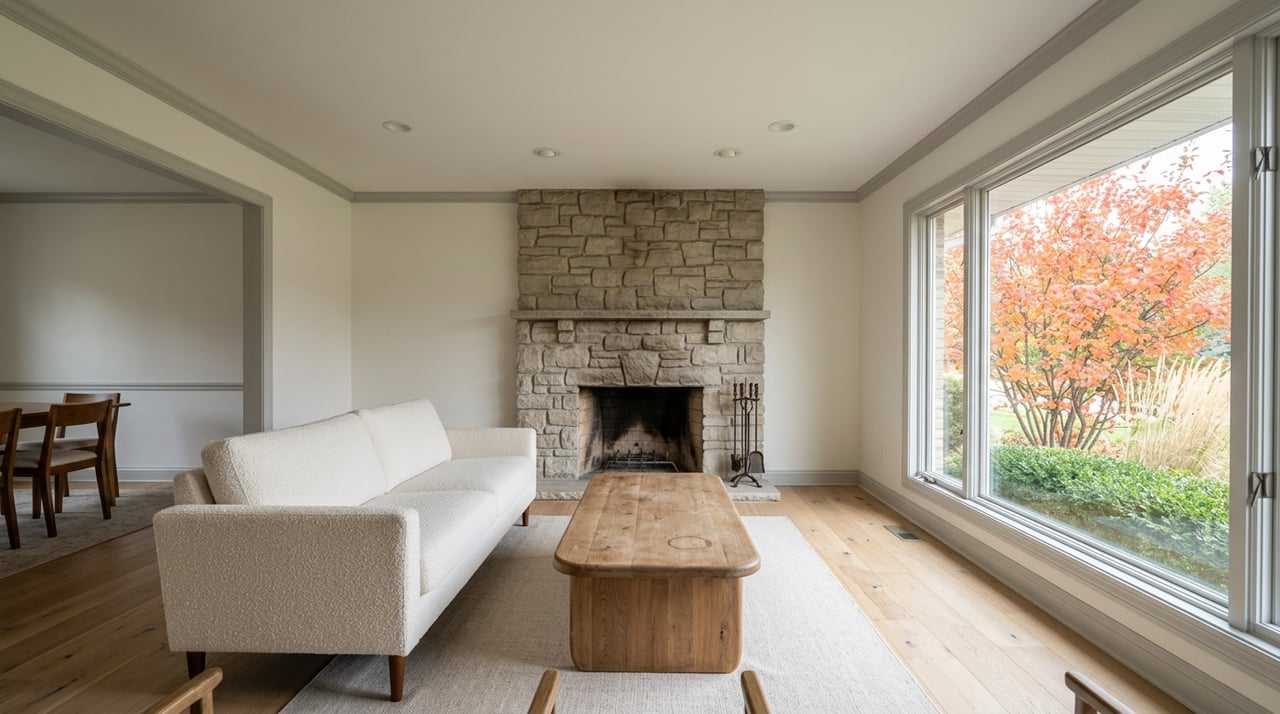
A listing agent should look beyond renovation cost and focus on market reaction. That means asking practical questions. Does your home show as move-in ready? Are there signs of deferred maintenance? Do the kitchen, baths, flooring, or exterior create a stronger or weaker first impression than nearby competition?
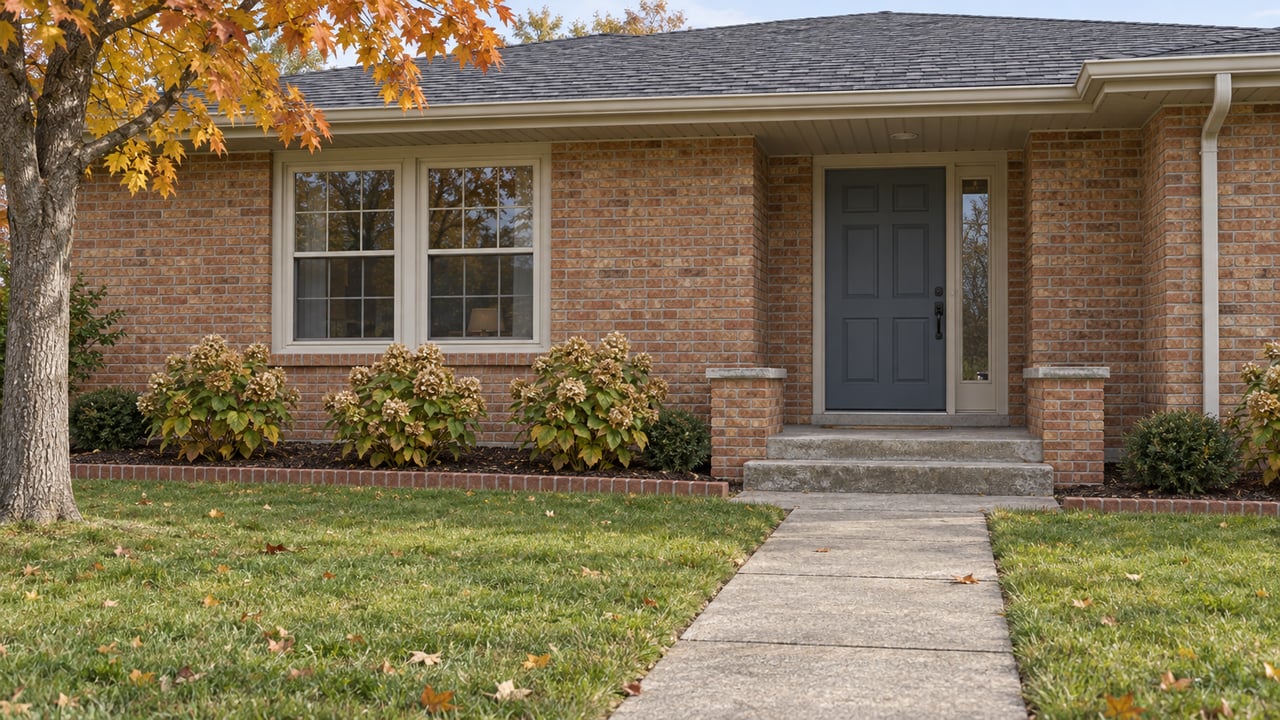
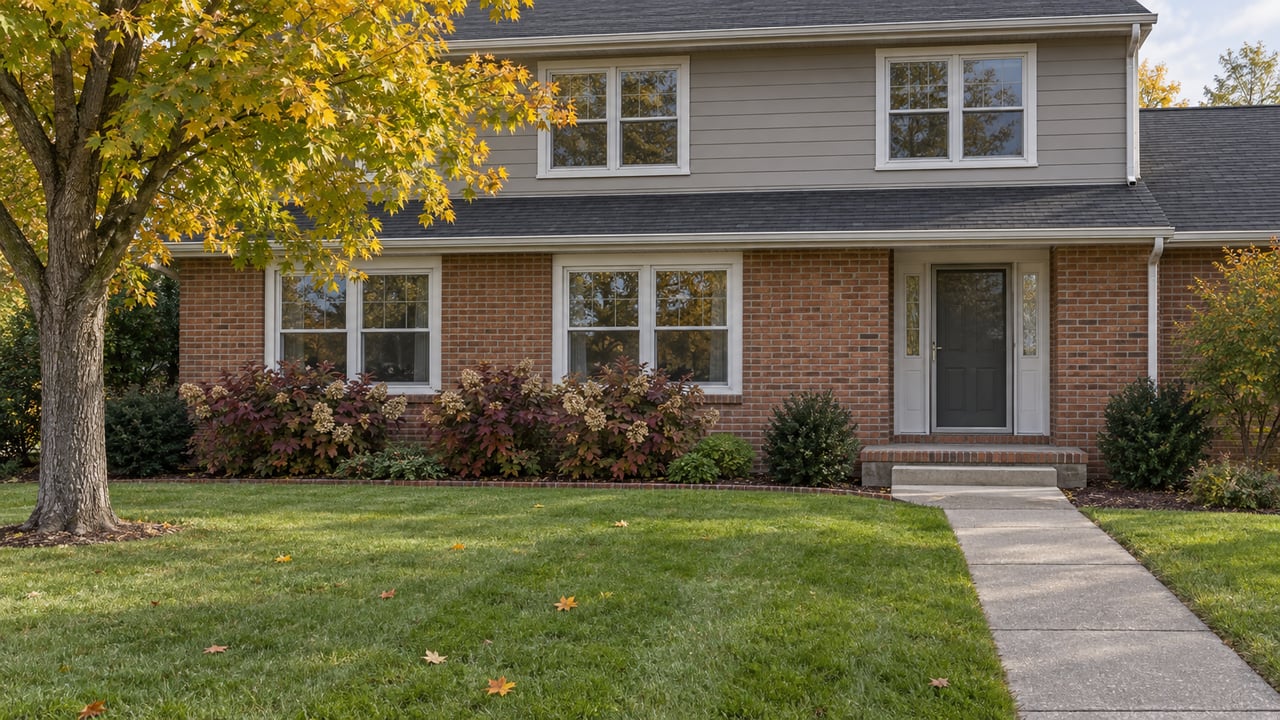
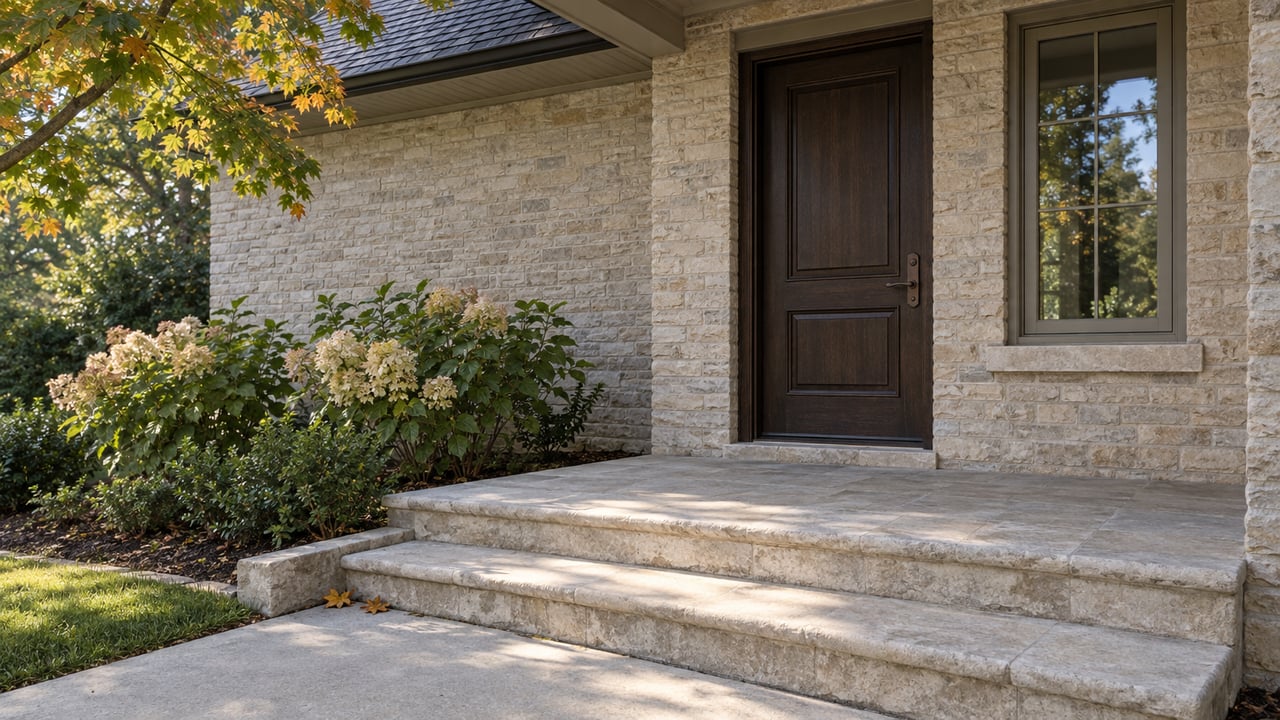
In Southgate, where homes are often selling close to list price, these details can affect whether buyers feel confident making an offer right away or hesitate. Curb appeal, cleanliness, and visible updates can support a stronger asking price. Needed repairs or dated finishes may call for a more measured number.
Why timing matters, but not in isolation
Sellers often ask if they should wait for the perfect week to list. Timing does matter, but it should not outweigh preparation and local competition.
National research from Realtor.com identified mid-April as a strong week for sellers based on higher prices, more views, less competition, and fewer price cuts. Redfin also found that spring is the least likely season for sellers to need a price reduction. Still, the practical takeaway for Southgate is not to chase a calendar date.
The better strategy is to launch when your home is fully ready and when competing inventory is manageable. In a market where homes are already selling near list price, being well-prepared from day one may matter more than waiting for an exact week.
The risk of overpricing
Overpricing can feel like a safe move because it seems to leave room for negotiation. In practice, it often does the opposite. It can reduce early interest, extend time on market, and weaken your position.
Redfin reported that 34.2% of sellers cut their list price in February 2026, the highest February share in its records. Those sellers reduced prices by an average of $40,915. Redfin also noted that even pricing a home $20,000 too high can scare buyers away and cause the listing to sit.
This matters in Southgate because the local market is already fairly efficient. When homes are commonly selling close to list price, buyers may see an overpriced home as out of step with the market instead of a hidden opportunity.
Once a home sits, buyers start asking questions. They may assume something is wrong, wait for a reduction, or come in with lower offers. That is why the first price matters so much.
The risk of underpricing
Some sellers wonder if pricing low will spark a bidding war. That strategy can work in certain markets, but it is not a universal playbook.
In Southgate, recent sale-to-list ratios suggest many homes are already landing close to fair value. That means aggressive underpricing should be approached carefully. You may attract attention, but there is no guarantee that multiple offers will push the price where you want it to go.
For most sellers, the goal is not to gamble on extremes. It is to choose a price that creates interest quickly while still protecting your negotiating room.
What a strong pricing conversation should include
A good listing appointment should leave you with more than a suggested number. You should understand how that number was built and what the likely buyer response may be.
A strong pricing conversation should cover:
- Which comps were chosen and why
- How your home compares in size, condition, and features
- What active listings are competing with you now
- The recommended list-price range
- What may happen if you launch at the top of that range
- When pricing should be revisited if activity is slow
This kind of conversation helps you make a decision with confidence, not emotion alone. It also gives you a clear plan if showings or offers do not match expectations.
How Southgate sellers can think about price range
In many cases, the right answer is a range rather than one magic number. That range reflects the reality that market response depends on your home’s exact condition, presentation, and competition at the moment you list.
If your home is updated, well-prepared, and positioned against weaker active competition, your agent may recommend pricing toward the high end of the range. If your home needs work or is entering a more crowded segment of the market, a more competitive price may make more sense.
This is where local experience matters. Southgate is a micro-market. The pricing strategy for a home in one area or condition category may not fit another just a few streets away.
The bottom line on pricing your Southgate home
The right price is not about chasing the highest number. It is about finding the number that matches current buyer behavior, reflects your home honestly, and gives you the best chance to move forward on your timeline.
In Southgate, that usually means using very local comps, adjusting for condition carefully, watching active competition, and staying realistic about what buyers are seeing in the market right now. When pricing is done well, you are more likely to attract serious buyers early and keep your negotiating power intact.
If you are thinking about selling and want a local, data-driven opinion on your home’s value, Lisa Sobell can help you build a pricing strategy that fits your goals and the Southgate market.
FAQs
How do listing agents price a home in Southgate, MI?
- Listing agents typically use a comparative market analysis based on recent sold homes, pending sales, and active listings that are similar in size, location, condition, and features.
Why can Southgate home prices vary by neighborhood?
- Southgate is a micro-market, and reported home values can vary significantly by area, which is why hyper-local comps matter more than broad city or county averages.
What happens if a Southgate home is priced too high?
- An overpriced home may get fewer showings, stay on the market longer, and face price reductions or lower offers later.
Should you underprice a home in Southgate to get multiple offers?
- Underpricing can attract attention, but in Southgate it should be used carefully because local sale-to-list ratios already suggest many homes are priced close to fair market value.
What should a Southgate seller ask during a pricing appointment?
- You should ask which comps were used, why they were selected, how condition was factored in, what the recommended price range is, and when the strategy would be adjusted if activity is slow.